15 Sensory Toddler Activities Under 2 Using Everyday Household Items
Sensory play helps toddlers explore the world through touch, sight, sound, and movement. During the first two years of life, children learn best through hands-on experiences that encourage curiosity and discovery.
Simple sensory activities can support brain development, language growth, coordination, and problem-solving while keeping little ones engaged and entertained.
1. Fabric Texture Basket

Fill a basket with fabric pieces such as cotton, fleece, velvet, and towels. Toddlers enjoy touching and comparing the different textures.
The activity encourages sensory exploration and vocabulary development.
Children learn through hands-on discovery while experiencing a variety of surfaces.
2. Kitchen Spoon Sound Play

Provide wooden spoons and safe kitchen containers for toddlers to tap and explore. Different materials create different sounds.
The activity supports listening skills and sensory awareness. It also introduces simple cause-and-effect learning through sound exploration.
3. Water and Cup Pouring Station

Fill a shallow container with water and offer a few cups for supervised play. Toddlers enjoy pouring, splashing, and transferring water.
This activity develops hand-eye coordination and sensory awareness.
It also introduces basic concepts about movement and volume.
4. Rice Container Exploration

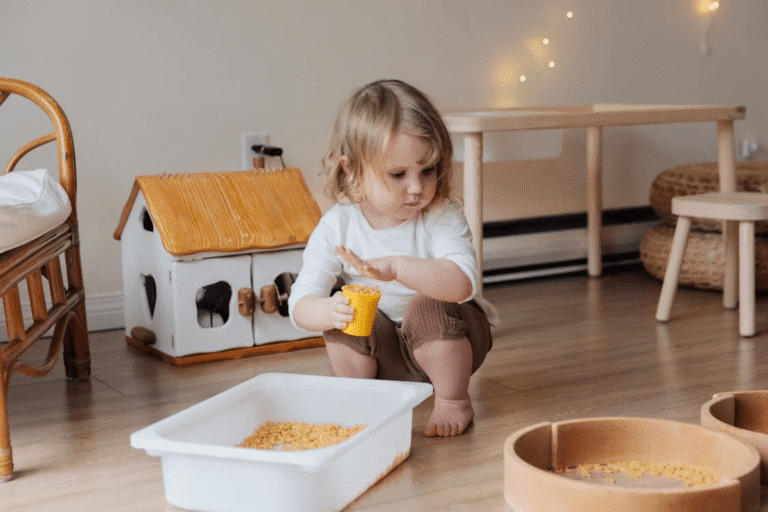
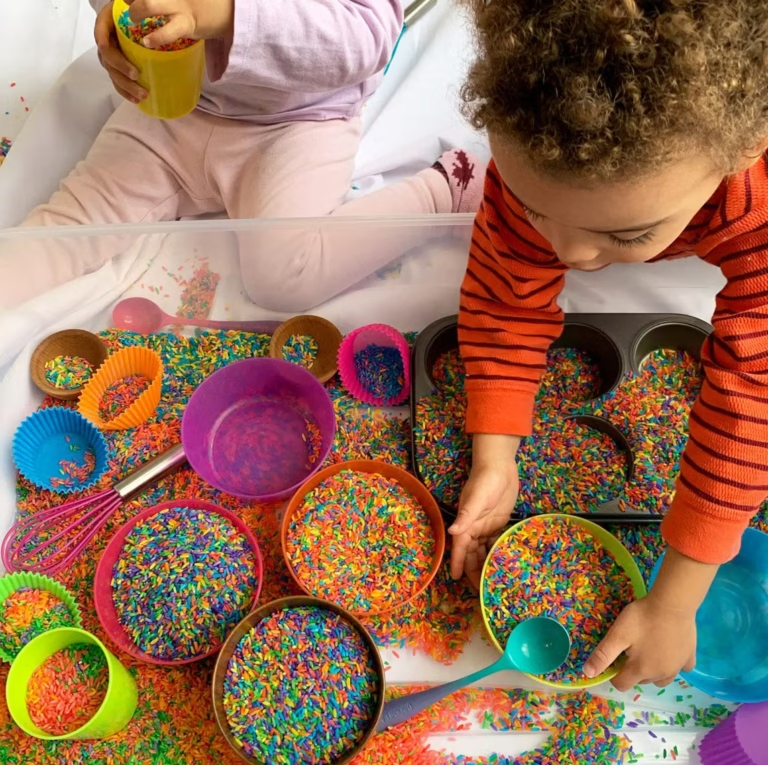
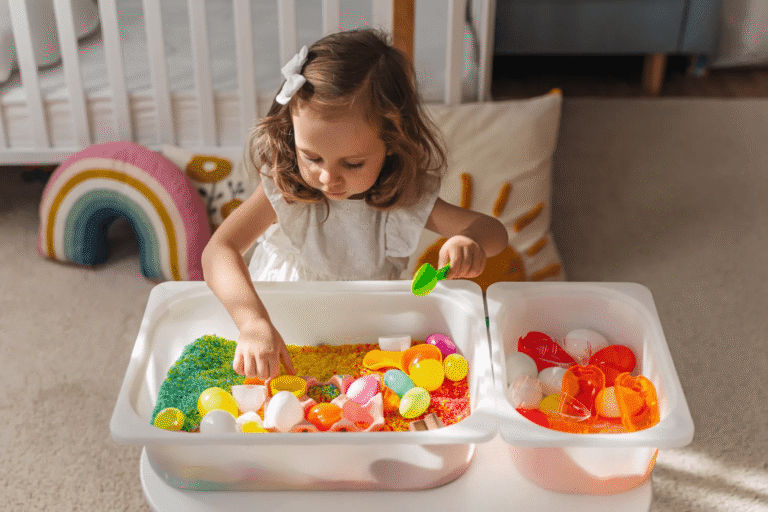
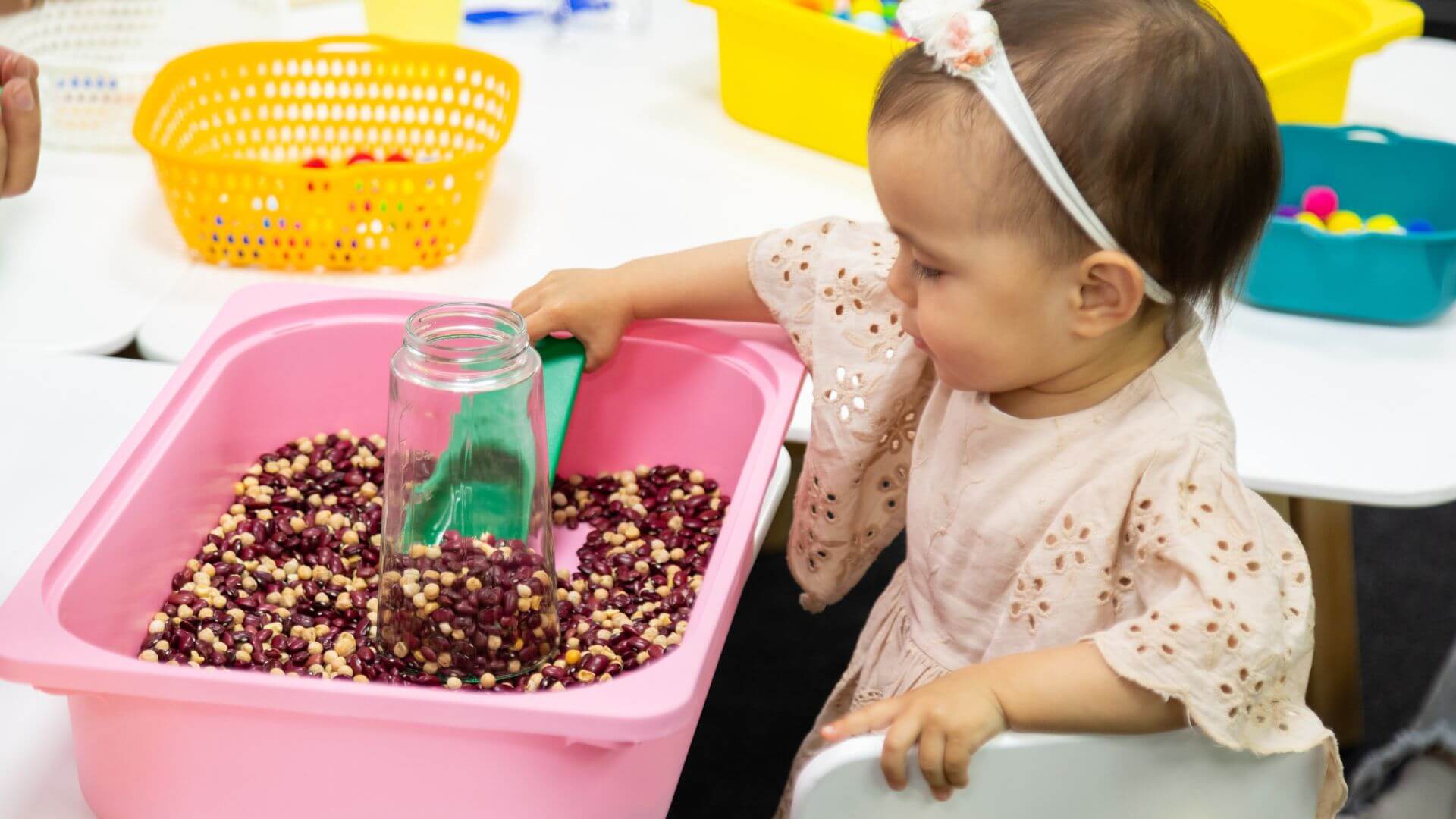
Place uncooked rice in a large container and provide cups or spoons for exploration. Toddlers enjoy scooping, pouring, and feeling the texture. The activity stimulates the sense of touch and hearing. It also encourages fine motor development through simple hand movements.
5. Bubble Wrap Discovery

Bubble wrap offers a fun combination of texture and sound. Toddlers enjoy pressing, crawling on, and popping the bubbles.
The activity supports sensory processing and hand strength. It also encourages curiosity as children explore different ways to interact with the material.
6. Ice Cube Sensory Tray

Place a few ice cubes in a tray and allow toddlers to touch and observe them under supervision.
The cold sensation creates a unique sensory experience.
Children learn about temperature and change as the ice slowly melts.
The activity encourages observation and exploration.
7. Mirror Exploration Time

A child-safe mirror provides endless opportunities for sensory learning. Toddlers enjoy making faces, moving, and watching their reflections.
The activity encourages visual exploration and self-awareness. It also supports social and emotional development through interaction.
8. Plastic Bottle Shaker

Fill a securely sealed plastic bottle with items such as rice, pasta, or large beads. Toddlers can shake the bottle and listen to the sounds.
The activity stimulates hearing and visual attention. Children also learn about cause and effect as they observe how movement changes the sound.
9. Sponge Squeeze Water Play

Give toddlers a soft sponge and a shallow container of water.
They can dip the sponge into the water and squeeze it over another bowl or tray.
The activity provides a rich sensory experience while strengthening hand muscles. Watching the water drip and flow also encourages curiosity and observation.
10. Aluminum Foil Crinkle Fun

A sheet of aluminum foil offers interesting sounds, textures, and reflections. Toddlers enjoy touching, folding, and crinkling the material.
The activity stimulates both visual and tactile senses. Exploring new materials helps children become more aware of different textures and sensations.
11. Sock Texture Discovery

Collect socks made from different materials such as cotton, wool, and fleece. Toddlers can touch, squeeze, and compare the textures.
This activity encourages sensory awareness and language development.
Caregivers can introduce descriptive words such as soft, fuzzy, and smooth during play.
12. Measuring Cup Exploration

Measuring cups provide opportunities for stacking, nesting, and pouring. Toddlers enjoy exploring how the cups fit together.
The activity supports fine motor development and problem-solving skills. It also introduces concepts such as size and comparison through hands-on play.
13. Feather Touch Activity

Soft feathers create a gentle sensory experience that toddlers often find fascinating.
Children can feel the feather on their hands, arms, and cheeks.
The activity encourages awareness of different sensations and textures. It also supports vocabulary growth as caregivers describe how the feather feels.
14. Cardboard Tube Exploration

Cardboard tubes from paper towels or wrapping paper can become fun sensory tools. Toddlers can look through them, tap them on surfaces, or roll them across the floor.
The activity encourages curiosity and sensory exploration.
It also helps develop coordination through simple movements and experimentation.
15. Washcloth Wet and Dry Play

Provide one dry washcloth and one damp washcloth for toddlers to explore. Children can touch, squeeze, and compare how each cloth feels.
The activity introduces concepts such as wet, dry, light, and heavy. It also supports sensory development by encouraging toddlers to notice differences in texture and weight.
Sensory activities provide toddlers with valuable opportunities to explore, learn, and grow through everyday experiences. By engaging multiple senses at once, these activities help support cognitive development, language skills, coordination, and curiosity. Simple household items can become powerful learning tools when used in creative and playful ways.
Regular sensory play encourages children to investigate their environment and develop confidence through exploration. These easy activities make learning fun while helping toddlers build important skills that support healthy development during the early years.