19 Toddler Learning Activities for Fine Motor Skills and Coordination
In this collection of 19 toddler learning activities for fine motor skills and coordination, you’ll discover engaging ideas designed to keep young children entertained while supporting their physical and cognitive development.
From simple sensory play to creative crafting projects, these activities encourage hand-eye coordination, finger strength, concentration, and problem-solving skills.
Whether you’re a parent, teacher, or caregiver, these easy and enjoyable activities will help toddlers build confidence and develop important skills that lay the foundation for future learning.
1. Pom-Pom Transfer with Tongs

Pom-pom transfer activities are an excellent way to strengthen the small muscles in a toddler’s hands and fingers. Children use plastic tongs to pick up colorful pom-poms and move them between containers, which encourages grip control and precision.
This simple task improves hand-eye coordination while teaching focus and patience. Toddlers also enjoy sorting the pom-poms by color, adding an early learning element to the activity.
Regular practice helps build the finger strength needed for writing, drawing, and handling everyday objects as they grow.
2. Threading Large Beads

Threading large beads onto a string helps toddlers develop coordination and control through repetitive hand movements.
Holding a bead in one hand while guiding a lace through the center requires concentration and accuracy.
The activity encourages the use of both hands together, which supports important developmental skills. Children can create colorful patterns while practicing problem-solving and sequencing.
As they continue threading beads, their finger dexterity improves, making future tasks such as buttoning clothes and using school supplies easier and more manageable.
3. Playdough Pinching and Rolling

Playdough provides a fun and creative way for toddlers to strengthen their hands. Rolling, squeezing, flattening, and pinching the dough engages many of the muscles used for fine motor control.
Children enjoy creating shapes, animals, and simple objects while developing finger strength. The soft texture makes the activity accessible and enjoyable for young learners.
It also encourages imagination and creativity, allowing toddlers to explore different ideas while improving coordination. Frequent playdough activities can support readiness for writing and other detailed hand movements.
4. Sticker Peeling and Placement

Sticker activities are simple to set up and highly effective for improving fine motor skills.
Peeling a sticker from its backing requires careful finger control and strengthens the pincer grasp. Once the sticker is removed, toddlers must accurately place it onto paper or a target area, improving hand-eye coordination.
The colorful designs keep children interested and motivated throughout the activity. Stickers can also be used to teach shapes, animals, letters, or numbers. This combination of learning and play makes the activity both educational and enjoyable.
5. Building with Large Blocks

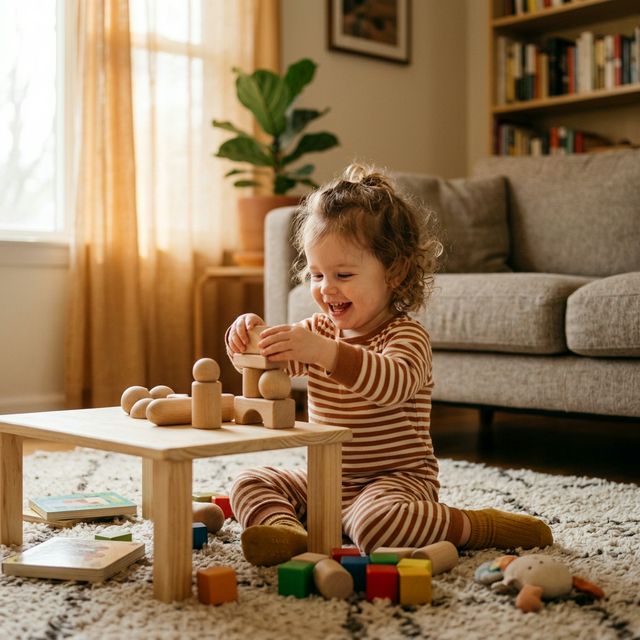
Building with large blocks encourages toddlers to use precise movements while creating towers and structures. Carefully placing one block on top of another develops coordination, balance, and spatial awareness.
Children learn through trial and error as they discover how to build stronger and taller creations. The activity promotes creativity while strengthening hand and wrist muscles.
It also encourages problem-solving as toddlers adjust their designs when structures fall or become unstable. Through play, children develop important motor skills that support many everyday tasks and future learning experiences.
6. Clothespin Color Matching

Clothespin color matching is a great activity for strengthening finger muscles and improving coordination. Toddlers squeeze clothespins open and attach them to matching colored cards or paper plates.
The squeezing motion builds hand strength while encouraging controlled movement. Children also practice color recognition and visual discrimination as they search for matching colors. The activity combines learning and motor development in a playful way.
Over time, repeated use of clothespins helps improve dexterity and prepares toddlers for tasks that require strong and coordinated hand movements.
7. Cotton Ball Scoop Race

Cotton ball scoop races are a playful way to build fine motor skills and coordination. Toddlers use a spoon to move lightweight cotton balls from one bowl to another, requiring steady hand movements and concentration.
Because cotton balls are so light, children must carefully control their motions to keep them from falling. This helps improve balance between hand movements and visual tracking.
The activity can be turned into a fun challenge by adding colors, counting tasks, or simple races. Through repeated practice, toddlers develop stronger hand control while enjoying an engaging learning experience.
8. Paper Tearing and Collage Making

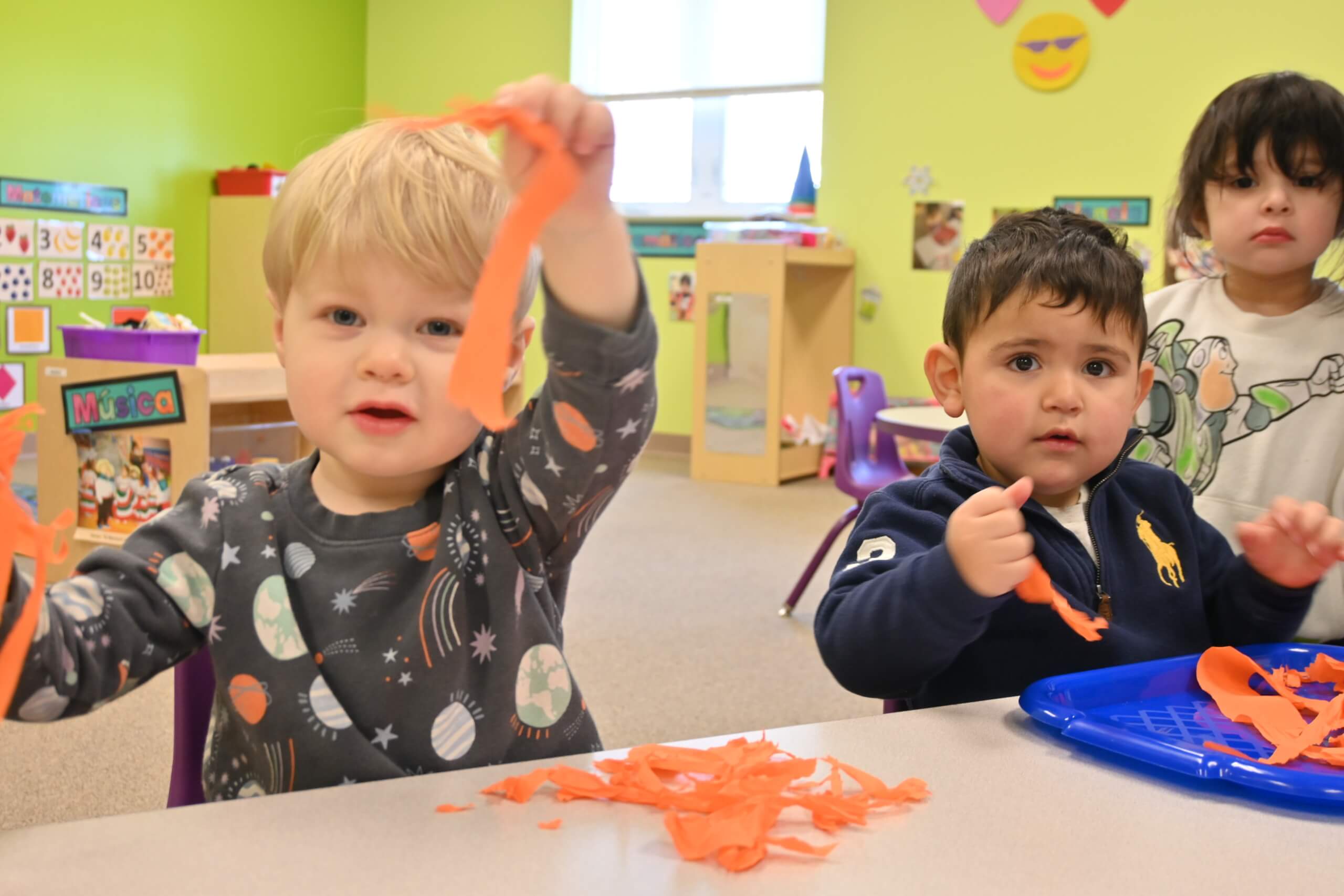
Tearing paper may seem simple, but it requires toddlers to coordinate both hands while controlling the direction of the tear. This action strengthens finger muscles and improves bilateral coordination.
Once the paper pieces are ready, children can glue them onto a sheet to create colorful collages. Arranging the pieces encourages creativity and helps develop visual planning skills.
The combination of tearing, picking up, and gluing paper offers multiple opportunities for fine motor practice. It also introduces toddlers to art in a fun and accessible way.
9. Pipe Cleaner and Colander Activity

In this activity, toddlers push colorful pipe cleaners through the holes of a colander. The task requires precision and hand-eye coordination as children aim for small openings.
The flexible pipe cleaners are easy for little hands to grasp, making the activity suitable for young learners. Children enjoy bending and shaping the pipe cleaners as they explore different patterns.
As toddlers repeat the movements, they strengthen finger muscles and improve control.
The activity also encourages problem-solving as they experiment with different ways to thread and arrange the materials.
10. Button Sorting Tray

Sorting buttons by color, size, or shape helps toddlers develop both fine motor and early cognitive skills. Picking up small buttons encourages the use of the pincer grasp, an important skill for writing readiness.
Children carefully move the buttons into separate compartments, improving precision and coordination. The sorting process also introduces concepts such as matching, grouping, and classification.
11. Sponge Water Transfer

Water play naturally attracts toddlers, making sponge transfer activities both educational and entertaining.
Children soak a sponge in water and then squeeze it into an empty container.
The squeezing motion strengthens hand and finger muscles while improving grip control. Toddlers also learn about cause and effect as they watch water move from one container to another.
12. Finger Painting Patterns

Finger painting allows toddlers to explore textures while developing hand coordination.
Using fingers instead of brushes gives children direct control over their movements and encourages sensory learning.
Creating lines, dots, swirls, and simple patterns helps strengthen finger muscles while improving movement accuracy. The activity also promotes creativity as toddlers experiment with colors and shapes.
13. Pasta Threading Activity

Threading large pasta pieces onto a string is a simple activity that helps toddlers strengthen their hand muscles.
Children must carefully grasp each piece and guide the string through the opening, improving finger control and coordination.
The activity also encourages concentration because toddlers need to focus on completing the sequence. Different pasta shapes and colors can make the experience even more engaging.
As children continue practicing, they build the dexterity needed for everyday tasks such as dressing themselves and using classroom materials.
14. Pegboard Pattern Play

Pegboards are excellent tools for developing fine motor skills and visual coordination.
Toddlers pick up colorful pegs and place them into small holes, requiring accuracy and controlled movements.
Children can create simple designs, patterns, or colorful pictures as they play. This adds a creative element while strengthening finger muscles.
15. Tape Rescue Activity

For this activity, small toys are lightly taped to a tray or table, and toddlers work to remove them. Peeling tape requires careful finger movements and strengthens the pincer grasp.
Children become excited as they discover hidden objects and figure out how to free them. The challenge keeps them engaged while improving hand strength.
16. Pom-Pom Drop Through Tubes

Dropping pom-poms through cardboard tubes encourages toddlers to use controlled hand movements. Children carefully position each pom-pom above the opening and release it into the tube.
Watching the pom-poms travel through the tubes adds excitement and motivates repeated practice.
The activity supports hand-eye coordination while teaching cause and effect. Toddlers can also sort pom-poms by color or count them as they play. This creates additional learning opportunities alongside fine motor development.
17. Clothespin Animal Craft

Clipping clothespins onto paper animal shapes is a fun way to strengthen little hands.
Toddlers squeeze the clothespins open and attach them to pictures, helping improve grip strength.
The activity can be turned into a creative craft by using clothespins as legs, spikes, or tails for different animals. Children enjoy seeing their creations come to life.
18. Q-Tip Dot Painting

Using Q-tips instead of paintbrushes encourages toddlers to practice precise hand movements. Children dip the cotton swab into paint and create colorful dots on paper.
The smaller tool requires greater control, helping improve finger coordination and accuracy. Dot painting can be used to make simple pictures, patterns, or letters. This activity combines creativity with skill-building.
The repetitive motions strengthen hand muscles while allowing toddlers to experiment with color and design.
19. Nature Treasure Pick-Up

A nature treasure hunt encourages toddlers to collect leaves, flowers, pebbles, or sticks from a safe outdoor area. Picking up objects of different sizes and textures helps strengthen finger control.
Children enjoy exploring the environment while practicing careful grasping and handling skills. The activity naturally develops observation and curiosity.
Fine motor skills and coordination play an important role in a toddler’s early development. These skills involve the small muscles in the hands, fingers, and wrists that children use for everyday tasks such as holding crayons, turning pages, buttoning clothes, and feeding themselves.
Through engaging hands-on activities, toddlers can strengthen these muscles while improving focus, hand-eye coordination, and problem-solving abilities.
The best fine motor activities feel like play rather than practice. From threading beads and building with blocks to exploring sensory materials and creative crafts, simple learning experiences can help children develop essential skills while having fun.
Here are some enjoyable toddler activities designed to support fine motor development and coordination through play-based learning.
Fine motor development happens gradually, and consistent practice through playful activities can make a big difference. Simple tasks such as squeezing, pinching, sorting, threading, and building help toddlers strengthen their hands while improving control and coordination.
These foundational skills prepare children for future milestones, including writing, drawing, dressing independently, and participating in classroom activities.
The most effective learning experiences are often the simplest ones. By incorporating a variety of engaging activities into daily routines, parents and caregivers can support healthy development while encouraging creativity, confidence, and curiosity. With regular opportunities to explore and practice, toddlers can build the skills they need for lifelong learning and independence.