21 Toddler Activities Under 2 That Boost Learning Through Play
Play-based learning does not require complicated toys or structured lessons. Everyday activities can provide valuable opportunities for toddlers to discover new concepts, build confidence, and strengthen developmental skills.
Here are seven toddler activities designed specifically for children under 2 that encourage learning through play while keeping little ones entertained.
1. Sensory Basket Exploration

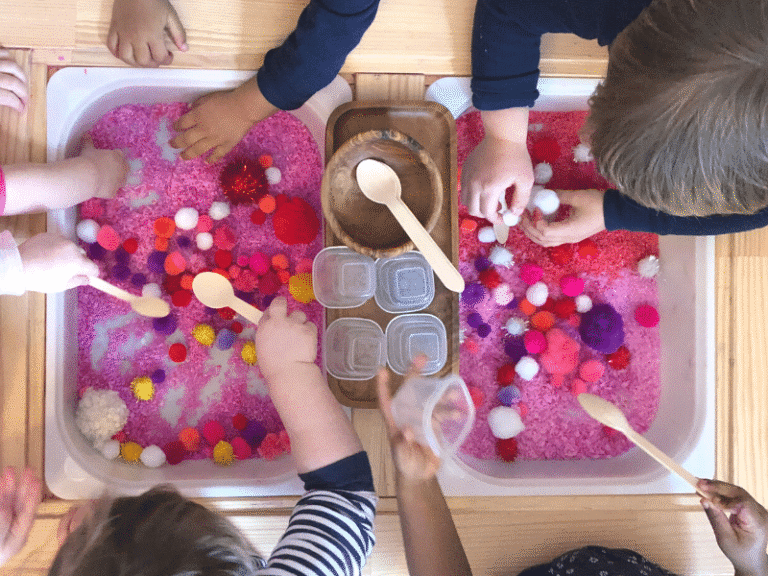
Sensory baskets filled with safe household items allow toddlers to explore different textures, shapes, and materials.
Items such as soft fabric, wooden spoons, silicone cups, and textured balls encourage hands-on discovery.
As children touch and examine each object, they strengthen sensory awareness and observation skills. Caregivers can introduce new words by describing textures, colors, and shapes during play.
2. Peekaboo with Scarves

Peekaboo remains one of the most effective learning games for young toddlers. Using lightweight scarves adds a colorful and engaging twist to this classic activity.
Children begin to understand object permanence, which is the idea that things still exist even when they cannot be seen. This important cognitive milestone supports memory and problem-solving development.
3. Stacking Soft Blocks

Stacking soft blocks helps toddlers explore balance, size, and spatial relationships. Building towers encourages hand-eye coordination and concentration.
Knocking the towers down is just as exciting as building them. Through trial and error, children learn about cause and effect while strengthening motor skills.
4. Music and Movement Time

Music naturally captures a toddler’s attention and encourages active participation.
Singing songs, clapping hands, and moving to rhythms support language development and listening skills.
Simple actions such as swaying, stomping, or shaking instruments help improve coordination. Repetitive songs also introduce new vocabulary and strengthen memory.
5. Water Pouring Play

Water play provides endless opportunities for learning and exploration. Toddlers enjoy filling, pouring, and splashing while discovering how water moves and behaves.
These simple actions support fine motor development and introduce early science concepts. Children also learn through experimentation as they observe what happens when containers are filled or emptied.
6. Picture Book Conversations

Reading with toddlers is about more than finishing a story.
Pointing to pictures, naming objects, and asking simple questions encourages language growth and communication. Children begin connecting words with images and familiar experiences. Regular book sharing also supports attention span and early literacy development.
7. Ball Rolling Back and Forth

Rolling a ball back and forth is a simple activity that promotes social interaction and coordination. Toddlers practice tracking movement with their eyes while learning to anticipate where the ball will go.
The game also encourages turn-taking and communication. As children become more confident, they develop stronger motor skills and a better understanding of cause and effect.
8. Bubble Chasing Fun

Bubbles capture a toddler’s attention and encourage active movement. Watching bubbles float through the air helps children develop visual tracking skills as they follow the bubbles with their eyes.
Trying to catch and pop bubbles supports hand-eye coordination and body awareness. Toddlers learn to judge distance and movement while having fun.
The activity also creates opportunities for language development as caregivers talk about big bubbles, small bubbles, colors, and directions during play.
9. Container Fill and Empty Play

Toddlers naturally enjoy placing objects into containers and taking them back out. This simple activity helps children understand concepts such as inside, outside, full, and empty.
As they repeat the process, they strengthen fine motor skills and coordination. Picking up objects and dropping them into a container requires control and concentration.
10. Mirror Discovery Time

Mirror play encourages self-awareness and curiosity. Toddlers enjoy looking at their reflections, making facial expressions, and observing movements.
Caregivers can point to body parts and name emotions while interacting in front of the mirror. This helps build vocabulary and supports language development.
Mirror activities also encourage social and emotional growth as children begin recognizing themselves and responding to expressions.
11. Treasure Basket Sound Exploration

Fill a basket with safe objects that make different sounds, such as rattles, bells, crinkly materials, and soft shakers. Toddlers can explore how each object sounds when touched or shaken.
The activity develops listening skills and introduces the concept of cause and effect. Children quickly learn that different actions create different sounds.
12. Crawling Obstacle Course

Create a simple obstacle course using pillows, cushions, and soft tunnels. Toddlers can crawl over, around, and through the obstacles while exploring different movements.
This activity strengthens muscles and improves balance and coordination. Moving through obstacles also encourages problem-solving as children figure out how to navigate the course.
The sense of accomplishment they feel after completing the challenge helps build confidence and independence.
13. Toy Hide-and-Find Game

Hide a favorite toy under a blanket or behind a cushion and encourage your toddler to find it. This simple game supports the development of object permanence and memory. As toddlers become more skilled, they begin anticipating where the toy might be hidden. This strengthens cognitive skills and problem-solving abilities.
14. Nature Walk Discovery

A short nature walk provides countless opportunities for learning through observation. Toddlers can look at flowers, leaves, birds, trees, and other natural elements while exploring their surroundings.
Caregivers can introduce new vocabulary by naming objects and describing colors, sounds, and textures. These conversations help expand language skills in a natural setting.
Outdoor exploration also encourages curiosity and sensory learning. Every walk offers new sights, sounds, and experiences that support cognitive development through play.
15. Sock Matching Fun

Matching socks is a simple activity that introduces toddlers to sorting and visual recognition. Children can explore different colors, patterns, and sizes while searching for pairs.
The activity encourages observation and concentration. Toddlers begin noticing similarities and differences between objects as they compare socks.
Naming colors and patterns during play also supports language development. Everyday household items become valuable learning tools through playful interaction.
16. Rolling Toy Cars

Rolling toy cars across the floor teaches toddlers about movement, speed, and direction. Watching cars travel helps strengthen visual tracking skills and attention.
Children quickly discover that pushing harder makes the car move farther. These observations introduce basic cause-and-effect concepts.
The activity also encourages crawling or walking as toddlers chase after the cars. This combination of movement and exploration supports overall development.
17. Texture Board Exploration

A texture board filled with materials such as felt, cotton, foil, and sponge encourages sensory discovery. Toddlers enjoy touching and comparing how each surface feels.
Caregivers can introduce descriptive words like soft, rough, smooth, and bumpy. This helps build vocabulary while supporting sensory awareness.
18. Laundry Basket Push Play

An empty laundry basket can become an exciting learning tool for young walkers.
Toddlers enjoy pushing it around while practicing balance and coordination. The activity strengthens leg muscles and helps children gain confidence in their movement abilities. It also encourages exploration as they navigate different spaces.
Parents can place soft toys inside the basket to make the activity even more engaging. This adds an element of pretend play and discovery.
19. Cup Stacking and Nesting

Stacking and nesting cups help toddlers explore size relationships and spatial awareness. Children learn that some cups fit inside others while larger cups can hold smaller ones.
Building towers encourages problem-solving and hand-eye coordination. Toddlers experiment with different arrangements and learn from trial and error.
The activity supports both cognitive and motor development while providing endless opportunities for creative play.
20. Flashlight Shadow Play

Flashlight play introduces toddlers to light, shadow, and movement. Shining a flashlight on walls or objects creates fascinating visual effects that capture their attention.
Children enjoy watching shadows change as the light moves. This encourages observation and introduces basic science concepts in a playful way.
21. Toy Animal Adventure

Toy animals provide opportunities for language learning and imaginative play. Toddlers can explore animal names, sounds, and simple actions through hands-on interaction.
Caregivers can create simple stories using the animals to encourage listening and communication. Children often enjoy copying animal sounds and movements.
The activity supports memory, vocabulary growth, and creative thinking. It also helps toddlers connect words with familiar animals and experiences.
Play is one of the most effective ways for children under 2 to learn about the world around them. Through simple, hands-on experiences, toddlers develop important skills such as communication, coordination, problem-solving, memory, and sensory awareness. Every touch, movement, and interaction helps build new connections in their growing brains while encouraging confidence and curiosity.
The best learning activities for young toddlers are simple, engaging, and focused on exploration rather than instruction. These play-based activities support healthy development while creating opportunities for meaningful interaction between children and caregivers. Here are seven more toddler activities under 2 that boost learning through play.
Learning through play allows toddlers under 2 to develop important skills in a natural and enjoyable way. Activities that encourage movement, exploration, sensory discovery, and communication help children build a strong foundation for future learning. Even simple household items can become valuable tools for supporting growth and development.
By providing a variety of playful experiences, parents and caregivers can nurture curiosity, confidence, and creativity while strengthening their bond with their child. These early moments of discovery help toddlers develop the skills they need to explore, learn, and thrive as they continue to grow.